
Asbestos testing services
Know What You're Dealing With Before You Disturb It
Asbestos testing identifies whether suspect building materials contain asbestos before renovation, demolition, or other work begins. We provide independent testing, clear results, and practical next steps so you know how to proceed.
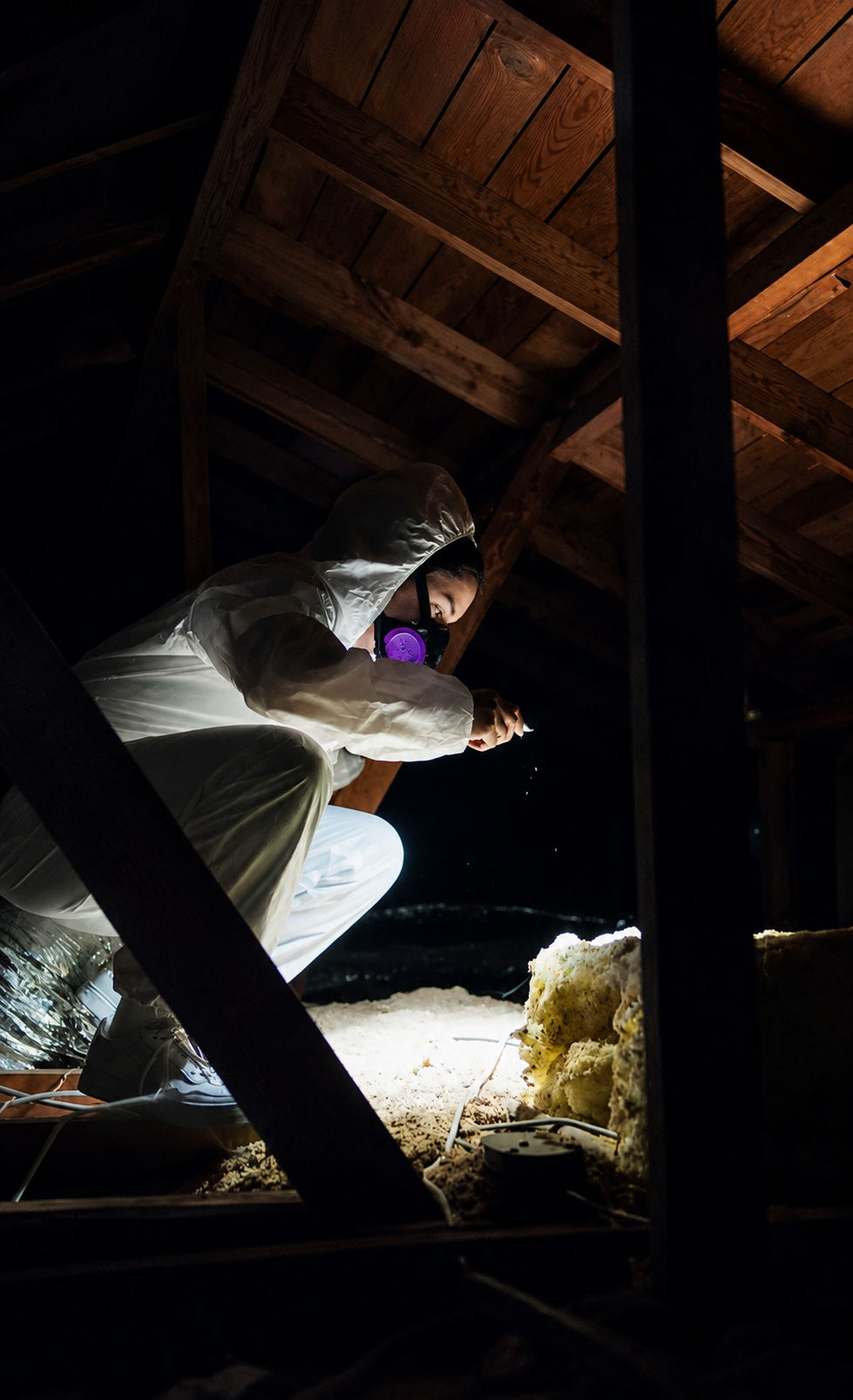
30+
Years of combined industry experience
Clear Results
Straightforward documentation
Clear Pricing
Know what to expect before you schedule
24 hr
Typical report turnaround
When to test
When You May Need Asbestos Testing
Asbestos testing can help determine whether suspect building materials contain asbestos before they are disturbed or when you need clear information to move forward.
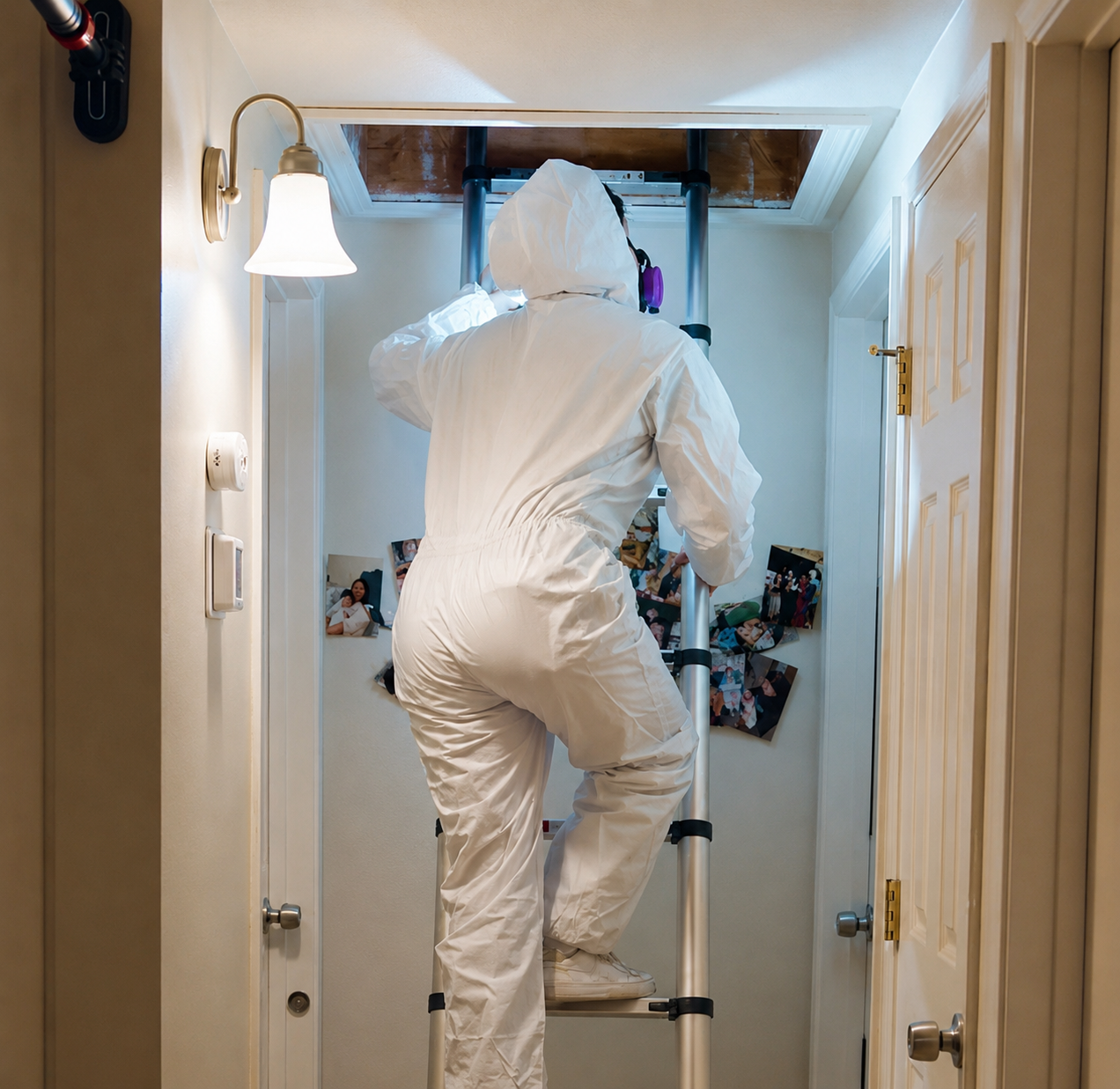
Before Renovation or Demolition
Identify suspect building materials before they are cut, removed, demolished, or otherwise disturbed.
When Materials Are Damaged
Test damaged or deteriorating suspect materials when you need to determine whether asbestos is present.
For Surveys, Clearances, or Regulatory Requirements
Get the testing and documentation needed for asbestos surveys, project planning, regulatory requirements, or clearance following abatement.
How we can help
Asbestos Testing Services
Different situations require different types of asbestos testing. Here's what each service is designed for.
Transparent pricing
Clear Pricing Before You Schedule
Our pricing includes the site visit, sample collection, laboratory analysis, and reporting needed for the listed scope. We'll confirm what is needed and the total cost before you schedule.
Asbestos Testing
$395
Starting price
Includes site visit, sampling, laboratory analysis, and a written asbestos survey reviewed and signed by a Certified Asbestos Consultant (CAC).
Asbestos Clearance
$495
First containment
Independent post-abatement visual inspection and air clearance testing to verify the containment meets clearance requirements before project closeout.
Tenant Improvement Survey
$795
Standard TI project
Asbestos survey for a standard tenant improvement project, including inspection, sampling of suspect materials, laboratory analysis, and a written report for the planned scope of work.
Common materials
Common Materials That May Contain Asbestos
Asbestos was used in many building materials, particularly in older homes and buildings. Testing is the only way to determine whether a suspect material contains asbestos.
Drywall and Joint Compound
Common wall and ceiling materials that may require testing before renovation or demolition.
Plaster and Skim Coats
Wall and ceiling systems may contain multiple layers or materials that need to be evaluated separately.
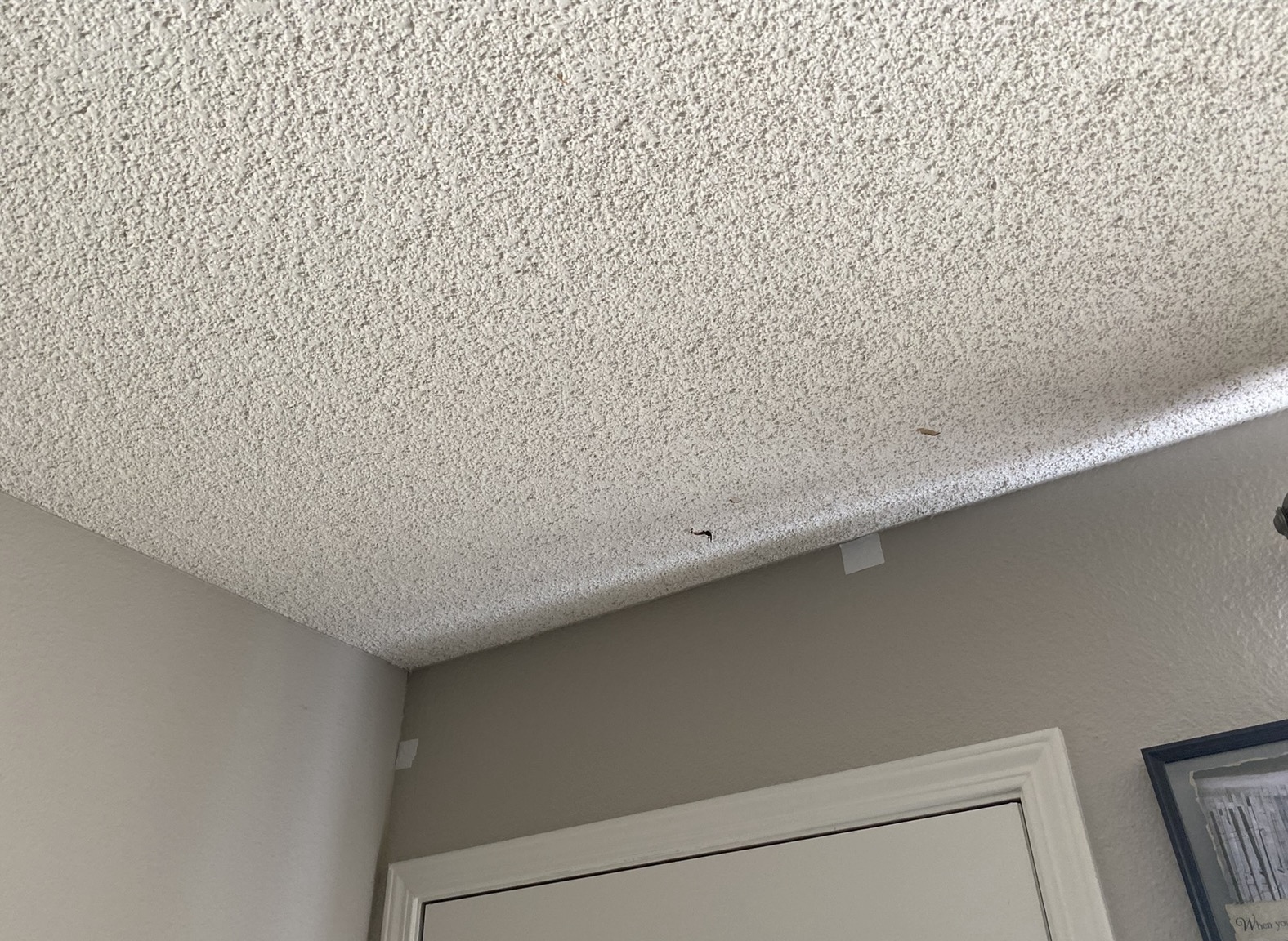
Acoustic Ceiling Texture
Popcorn and other textured ceiling finishes are commonly tested before removal or disturbance.
Flooring and Mastics
Vinyl flooring, floor tile, backing materials, and adhesives may contain asbestos.
Stucco and Exterior Materials
Stucco, exterior coatings, and other building materials may require testing before exterior renovation or demolition.
Thermal System Insulation
Pipe insulation, duct insulation, and other thermal materials are among the building materials that may contain asbestos.
Process
What Asbestos Testing Looks Like
1
Site Evaluation
We identify the suspect building materials that may be affected by the planned work or concern.
2
Sample Collection
Representative samples are collected from the materials that require testing.
3
Laboratory Analysis
Samples are analyzed by an accredited laboratory to determine whether asbestos is present.
4
Report
You receive a written report documenting the materials tested, laboratory results, and findings.
FAQ
Asbestos Frequently Asked Questions
What Is Asbestos Testing?
Asbestos testing helps determine whether building materials contain asbestos before they are disturbed. Representative samples are collected from suspect materials and analyzed by an accredited laboratory, providing the information needed for renovation projects, demolition work, property transactions, insurance claims, and environmental concerns.
What to Expect During Our Visit?
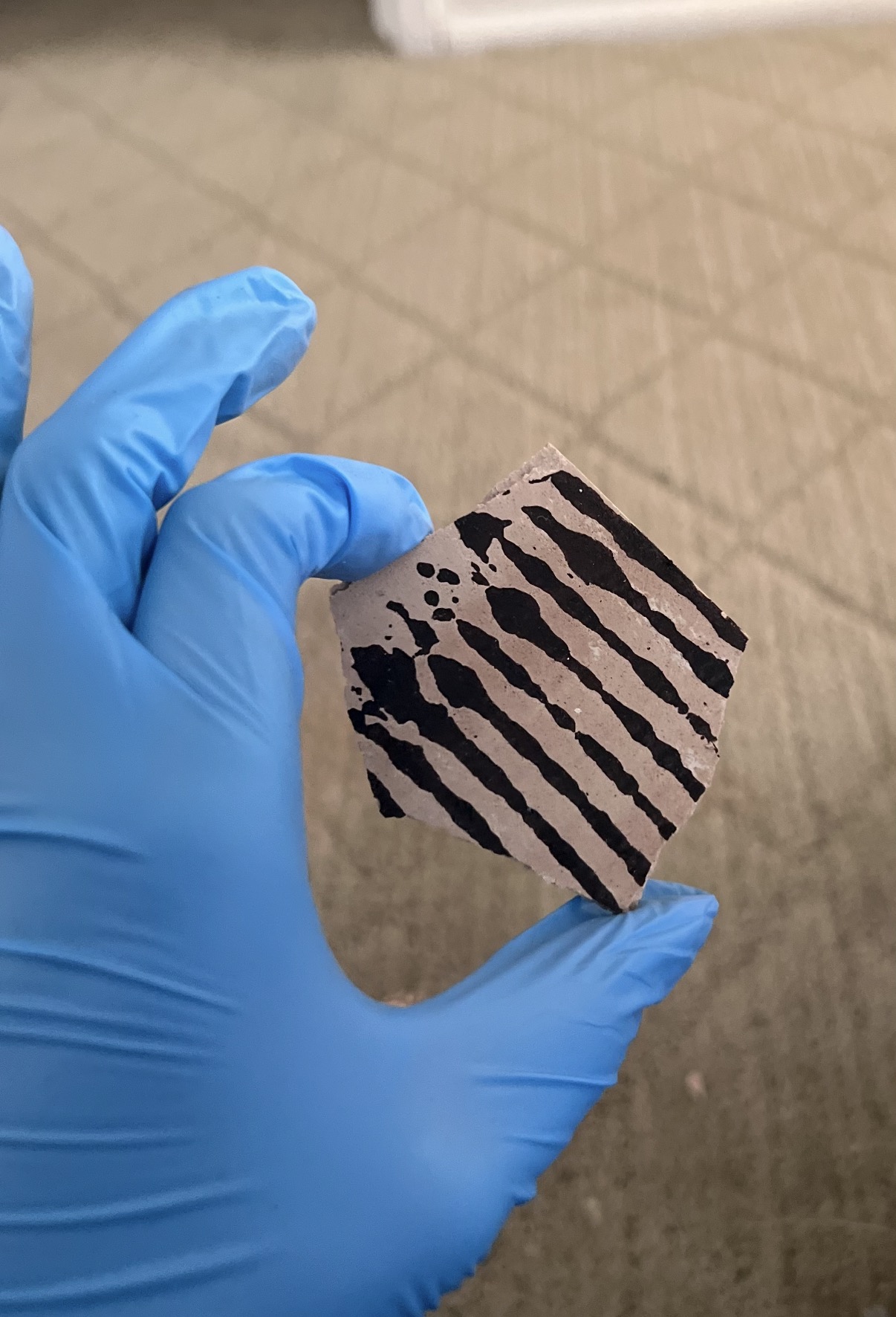
We will review the project scope, identify the materials requiring testing, and collect representative samples in accordance with applicable regulations and industry standards. Sampling typically involves removing a small portion of the material, often about the size of a nickel, to obtain a representative sample for laboratory analysis.
What Happens After Sampling Is Complete?
Once samples are collected, they are submitted to an accredited laboratory for analysis. Upon completion of testing, you will receive a report identifying the materials tested, laboratory findings, and whether asbestos was detected. If asbestos is identified, the report can be used to help guide renovation, demolition, abatement, or cleanup decisions.
Is Asbestos Testing Destructive?
Asbestos testing requires collecting physical samples from suspect materials for laboratory analysis. In most cases, only a small amount of material is needed, often about the size of a nickel, though larger samples may occasionally be required depending on the material being tested.
Can asbestos testing be performed in occupied buildings?
Yes. Most asbestos inspections are performed in occupied residential and commercial properties.
How long does asbestos testing take?
Most inspections can be completed during a single site visit. Laboratory turnaround times vary depending on the requested turnaround and project requirements.
When Is Asbestos Testing Recommended?
Asbestos testing is commonly recommended before renovation and demolition projects, during property transactions, following water or fire damage, or whenever the presence of asbestos is unknown. Although asbestos use declined significantly in the late 1970s and 1980s, asbestos-containing materials continued to be used in certain products for many years afterward. For this reason, the age of a building should not be relied upon as the sole basis for determining whether asbestos may be present.
Do I need asbestos testing before renovation or demolition?
Most renovation and demolition projects require asbestos testing before materials are disturbed. Requirements vary depending on the project scope and jurisdiction.
My house was built after 1980. Do I still need asbestos testing?
Possibly. While asbestos use declined significantly after the late 1970s, asbestos-containing materials continued to be manufactured and installed in certain products for many years afterward. The age of a building alone should not be relied upon to determine whether asbestos may be present.
How much material needs to be sampled?
In most cases, only a small portion of the material is required for laboratory analysis. Sampling often involves removing a sample approximately the size of a nickel.
What happens if asbestos is found?
The appropriate next steps depend on the material, its condition, and the planned work. Testing results can be used to help guide renovation, demolition, remediation, or abatement decisions.