
Lead testing services
Clear Answers When Lead Is a Concern
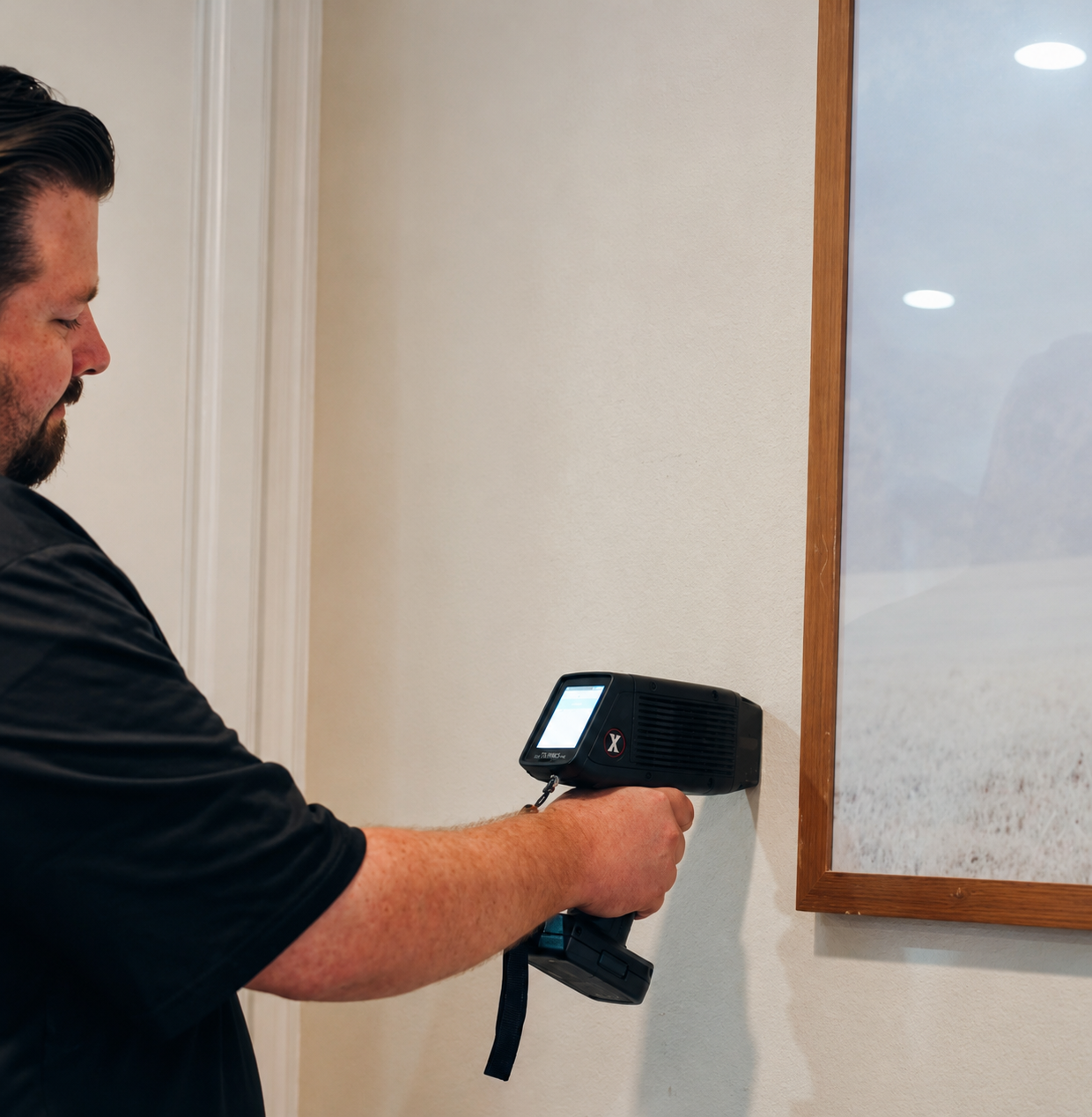
Lead concerns can involve painted surfaces, dust, soil, water, or conditions following lead related work. We provide XRF testing and targeted sampling based on what needs to be evaluated, with clear results and documentation so you understand what was found.
30+
Years of combined industry experience
Clear Results
Straightforward documentation
Clear Pricing
Know what to expect before you schedule
24 hr
Typical report turnaround
When to test
When You May Need Lead Testing
Lead testing can help when you need to identify lead based paint, evaluate potential contamination, or document conditions before or after work is completed.
Before Renovation or Demolition
Identify lead based paint on surfaces that may be disturbed during renovation, repair, or demolition.
When Lead Is a Concern
Evaluate painted surfaces, dust, soil, or water when there is a specific concern about potential lead contamination.
For Clearance or Other Requirements
Complete the testing and documentation needed following lead related work or when testing is required for a specific property or situation.
How we can help
How We Can Help
Lead concerns can come up for different reasons. We can help identify lead based paint, evaluate potential contamination, or document conditions after lead related work.
Transparent pricing
Clear Pricing Before You Schedule
We'll explain what testing is appropriate, what is included, and what it will cost before you schedule.
Localized Lead Paint Testing
$295
Interior Lead Paint Testing
$795
Exterior Lead Paint Testing
$595
Full Interior and Exterior Lead Paint Testing
$1,195
Lead Dust Clearance
$495
First containment
Additional Lead Services
Contact for Pricing
Common applications
Common Lead Testing Applications
Where lead concerns usually show up. Lead testing can support renovation, remediation, real estate, occupancy and environmental decisions across a wide range of materials and property areas.
Interior Painted Surfaces
Walls, ceilings, trim, cabinets and other painted building components.
Lead Dust
Dust wipe sampling following renovation, remediation or occupancy concerns.
Exterior Painted Surfaces
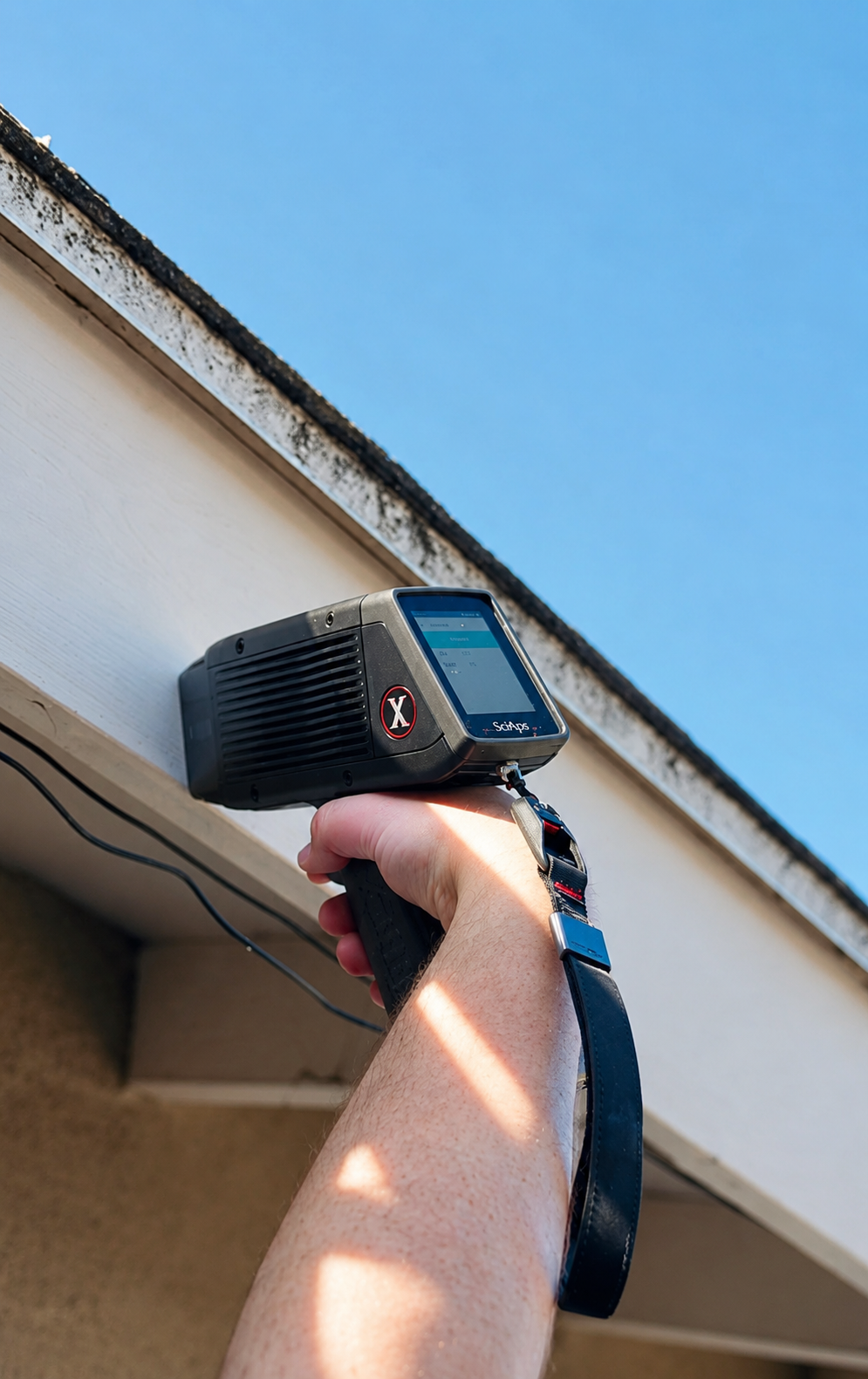
Siding, eaves, fascia, railings and painted exterior materials.
Lead in Soil
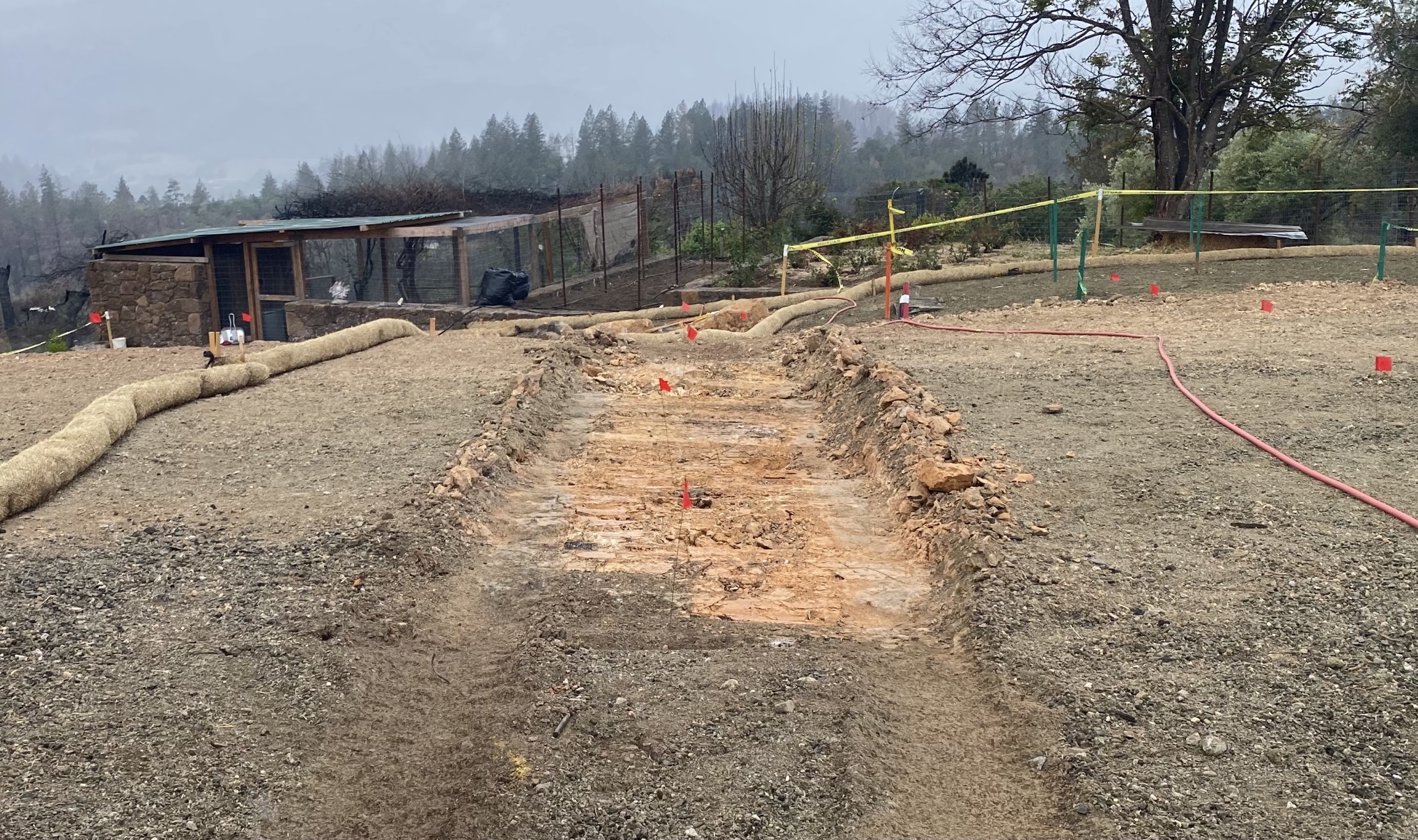
Soil testing for residential properties, play areas and environmental investigations.
Windows & Doors
Painted components commonly associated with lead-based paint hazards.
Lead in Water
Water sampling for drinking water systems and environmental concerns.
Cabinets & Countertops
Cabinets, built-ins, shelving, trim, decorative woodwork and countertops.
Lead Clearance Testing
Post-abatement and post-renovation testing to verify project completion.
The process
What Lead Testing Looks Like
1
Evaluation
We discuss your concern and determine what surfaces, areas, or materials should be evaluated.
2
Testing and Sampling
We use XRF testing or collect appropriate samples based on what needs to be evaluated.
3
Laboratory Analysis
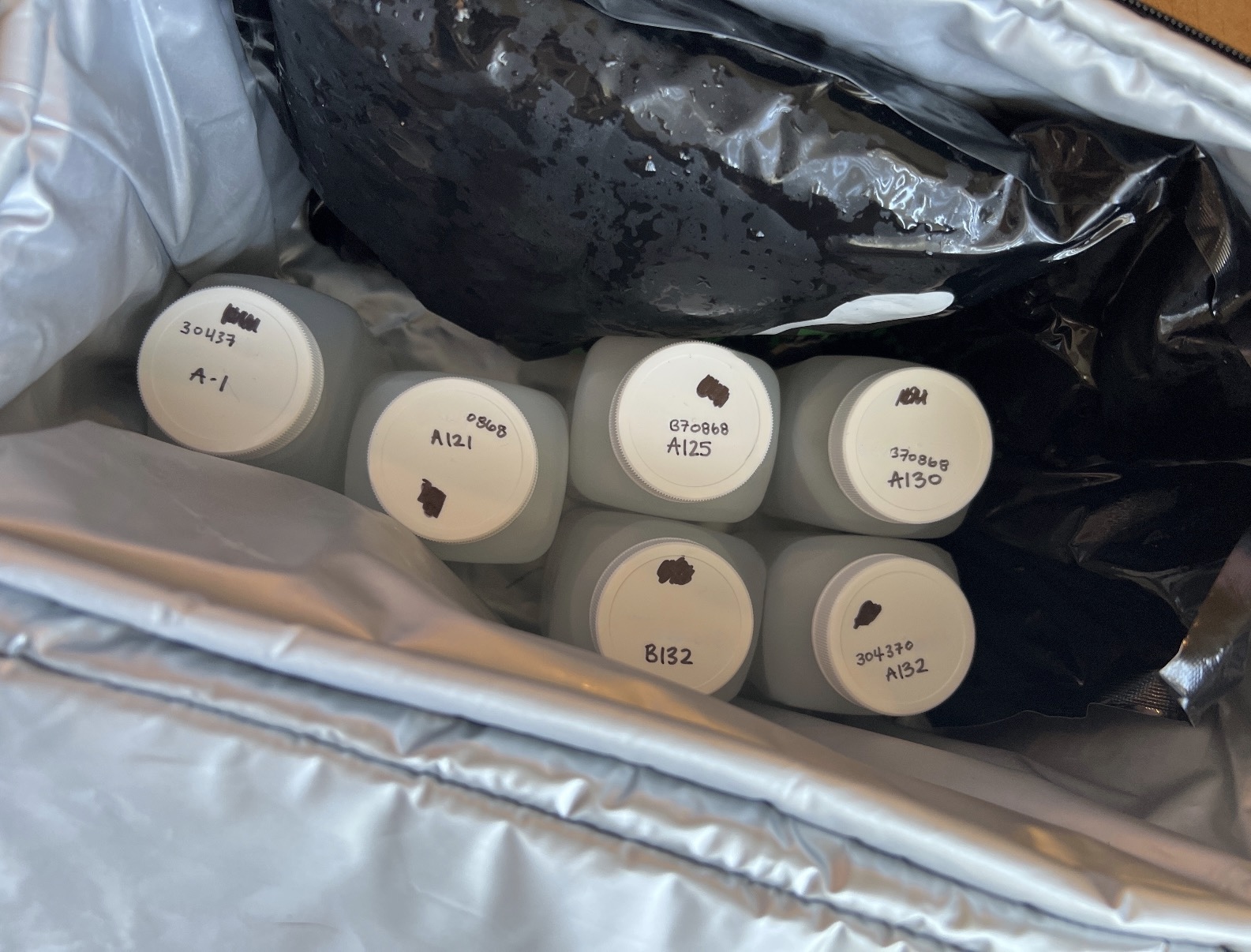
When samples are collected, they are sent to an accredited laboratory for analysis.
4
Report
You receive a written report documenting the areas tested, results, and findings.
FAQ
Lead Frequently Asked Questions
What Is Lead Paint Testing?
Lead paint testing is performed to determine whether painted building materials contain lead-based paint. Testing may be conducted using XRF technology, laboratory analysis, or a combination of both depending on the project requirements and objectives.
What to Expect During Our Visit
We will review the project scope, identify the painted surfaces requiring evaluation, and perform XRF testing or collect representative samples as needed. Testing is performed in accordance with applicable regulations and industry standards.
What Happens After Testing?
Results are compiled into a report identifying the surfaces evaluated, testing performed, and any lead-based paint identified during the inspection. Reports may be used to support renovation planning, property transactions, lead hazard evaluations, and regulatory compliance requirements.
When Is Lead Paint Testing Recommended?
While lead paint was banned for residential use in 1978, lead-containing products can still be encountered in certain materials today. Ceramic tile and other products may contain elevated lead levels even when recently manufactured or purchased from major retailers.
What is XRF testing?
XRF testing utilizes specialized equipment to evaluate painted surfaces for lead without requiring laboratory analysis in many situations.
Will paint samples be collected?
Depending on the project requirements, testing may involve XRF analysis, laboratory sampling, or a combination of both methods.
Do I need lead testing before renovation?
Many renovation projects involving painted surfaces may benefit from lead testing before work begins, particularly in older buildings.
My home was built after 1978. Do I still need lead testing?
Possibly. While lead paint was banned for residential use in 1978, lead-containing products can still be encountered in certain materials today. The age of a building alone should not be relied upon to determine whether lead may be present.
What materials can contain lead?
Common sources include painted building materials, dust, soil, water, ceramics, imported products, and other environmental media depending on the project scope.
How long does lead paint testing take?
Most projects can be completed during a single site visit, though larger properties or more extensive scopes may require additional time.
What happens if lead is found?
Results can be used to help guide renovation planning, lead hazard reduction activities, remediation efforts, and regulatory compliance requirements.
Will testing damage painted surfaces?
XRF testing is non-destructive. If laboratory confirmation is required, small paint samples may be collected from representative locations.