
Lead clearance testing
Lead Clearance Testing
Independent post-remediation dust wipe testing performed to verify cleanup efforts and support project completion.
30+
Years of combined industry experience
Clear Results
Straightforward documentation
Clear Pricing
Know what to expect before you schedule
24 hr
Typical report turnaround
Lead clearance testing
Understanding Lead Clearance Testing
What Is Lead Clearance Testing?
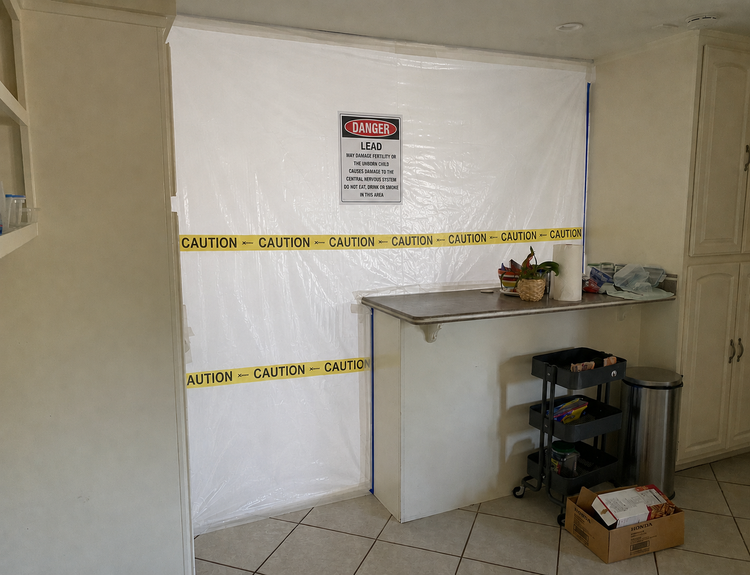
Lead clearance testing is performed following lead hazard reduction, remediation, renovation, or abatement activities to evaluate whether cleanup objectives have been achieved. The process typically includes a visual evaluation and dust wipe sampling from designated surfaces.
What to Expect During Our Visit
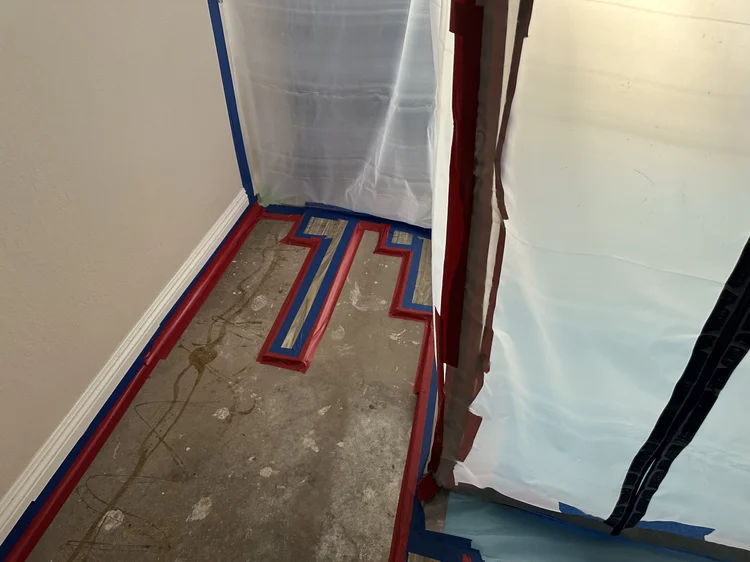
We will review the project scope, evaluate the work area, and collect dust wipe samples from representative surfaces in accordance with applicable regulations and project requirements. Sampling locations vary depending on the scope of work and clearance objectives.
What Happens After Clearance Testing?
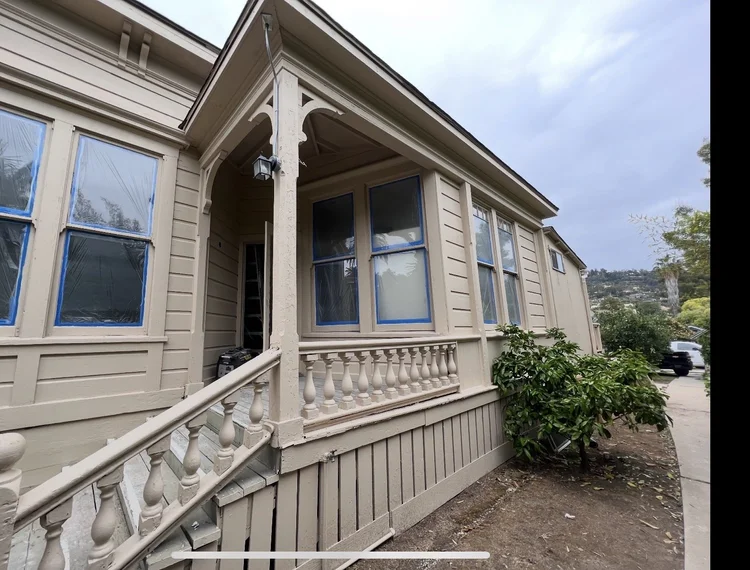
Dust wipe samples are submitted to an accredited laboratory for analysis. Once testing is complete, findings are summarized in a report documenting the sampling performed, laboratory results, and applicable clearance findings.
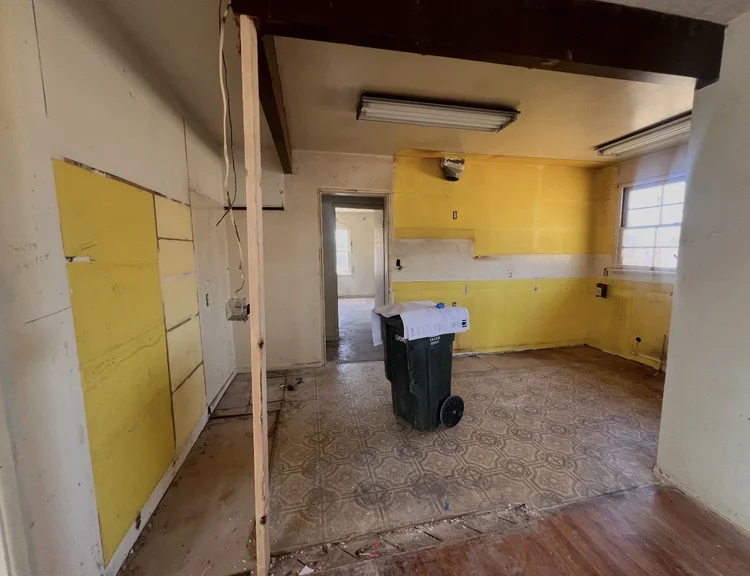
When Is Lead Clearance Testing Recommended?
Lead clearance testing is commonly performed following lead hazard reduction activities, lead-based paint remediation, renovation projects, and other work involving lead-containing materials. Clearance testing provides independent verification that cleanup efforts have been completed successfully.
FAQ
Frequently Asked Questions
What is included in lead clearance testing?
Most clearance projects include a visual evaluation of the work area and dust wipe sampling from representative surfaces.
Can clearance testing be performed before cleanup is complete?
No. Clearance testing should only be performed after all work activities and final cleaning have been completed.
What surfaces are sampled during clearance testing?
Sampling locations vary by project, but commonly include floors, window sills, window troughs, and other designated surfaces.
What happens if the area does not pass clearance testing?
Additional cleaning or corrective actions may be required before clearance testing is repeated.
How long does it take to receive results?
Laboratory turnaround times vary, but results are typically available next day. Expedited laboratory analysis may be available upon request.
Who typically requests lead clearance testing?
Property owners, contractors, remediation firms, project managers, and other stakeholders commonly request clearance testing following lead-related work.
Do all lead projects require clearance testing?
Requirements vary depending on the project scope, jurisdiction, and project objectives. Many property owners choose clearance testing to obtain independent verification of cleanup efforts.
Need Independent Lead Clearance Testing?
Verify cleanup efforts with professional dust wipe sampling, laboratory analysis, and clear reporting performed by an independent environmental consultant.